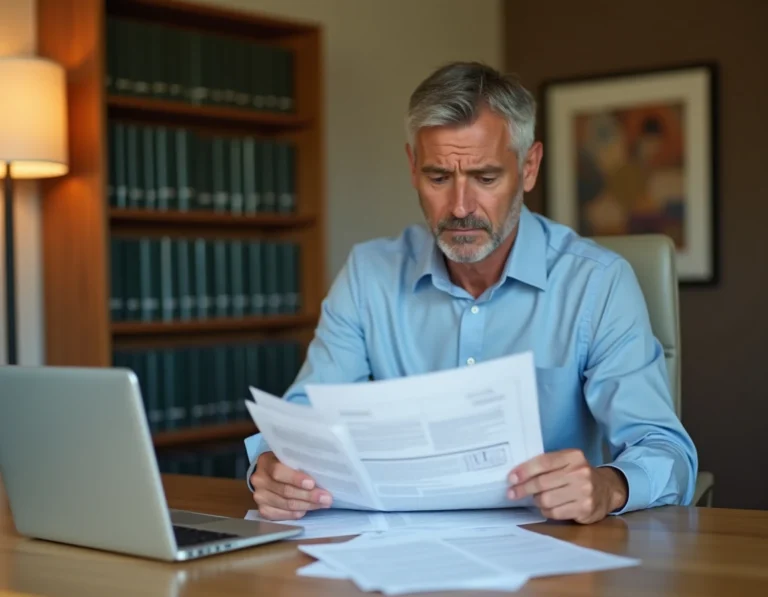
The uncontrolled multiplication of file versions regularly leads to costly errors in internal processes. Despite the massive adoption of digital tools, nearly 60% of organizations still struggle to find an essential document at the right time.
The absence of clear rules for indexing and archiving documents exposes companies to legal risks and economic losses. Yet, some proven methods allow for the sustainable structuring of information flows and ensure regulatory compliance.
Why document management remains a strategic issue for businesses
Document management is no longer a domain reserved for a few technicians isolated in a department: it shapes the dynamics of the company, directly influences productivity, and becomes a bulwark for data security. When documents flood in multiple formats, centralizing, organizing, storing, and sharing becomes an absolute priority. Regulatory requirements only reinforce the need for a controlled document environment.
Faced with the intertwining of paper and digital, organizations waste precious time searching for a version, juggling duplicates, or managing file disappearances. The use of electronic document management (EDM) changes the game. An EDM software automates the entire process: classification, indexing, archiving, access rights control. Defining a clear role for each person—writer, verifier, approver, user, archivist—and ensuring the traceability of each action streamlines the document lifecycle while preserving the memory of exchanges.
Complying with GDPR and ISO 9001 is now the minimum standard. Achieving this is impossible without impeccable document discipline, both for paper and digital. Focusing on a coherent organization centered on traceability, collaboration, and security transforms document management into a lever for modernization, as well as a solid protection against legal and financial uncertainties.
What obstacles hinder effective document organization?
Despite its promises, document management faces persistent difficulties that hinder the flow of information and weaken data protection. The lack of uniformity in naming files, the absence of clear procedures for indexing and archiving: these gaps weigh heavily. Searching for a specific document then becomes an obstacle course, leading to errors and losses that can be costly.
Here are the main obstacles identified on the ground:
- Absence of unified archiving procedures
- Unawareness of obligations regarding regulatory compliance (GDPR, ISO 9001)
- Gaps in the traceability of actions and document versions
- Lack of automation and distribution of roles (writer, verifier, archivist…)
The random mastery of electronic document management tools adds a layer of complexity. Between digital pay slips, electronic invoices, and bundles of paper documents, information fragments into sealed silos. For small structures, relying on time-consuming manual processes hampers agility and increases costs. Without an organized system, document management is reduced to an accumulation of files, far from effective organization.
Archiving is not enough. It is also necessary to organize, structure, control access, and preserve confidentiality. Otherwise, regulatory compliance falters. The slightest gap in traceability or archiving can trigger sanctions, weaken partner trust, and lead to tangible financial losses.

Best practices for sustainably transforming your document management
To establish a reliable and scalable document organization, centralization is the starting point. All media, digital or paper, find their place in a unique, secure repository. Each document is assigned precise metadata: title, date, author, version. This discipline in description accelerates search, promotes indexing, and allows tracking of each modification, without any gray areas.
The adoption of electronic document management (EDM) software provides a concrete solution. Classification, archiving, and access rights management shift to automatic mode. Workflows become smoother: validation in just a few clicks, integrated electronic signature, instant sharing among collaborators. The electronic signature anchors the legal value of digital documents. As for the digital safe, it ensures compliance with GDPR and ISO 9001.
Clarify responsibilities by assigning each participant a specific role: writing, verification, approval, archiving. This organization limits ambiguities during audits and strengthens process reliability. Continuous training for teams remains the foundation. Knowing how to handle tools, mastering regulatory issues, anticipating changes: human competence remains the key element of truly effective document management.
Tomorrow, an agile company will be able to find any document in seconds, secure its data, and turn regulatory constraints into a competitive advantage. Document management is no longer a back-office function: it is at the heart of strategy, where trust and the future are at stake.