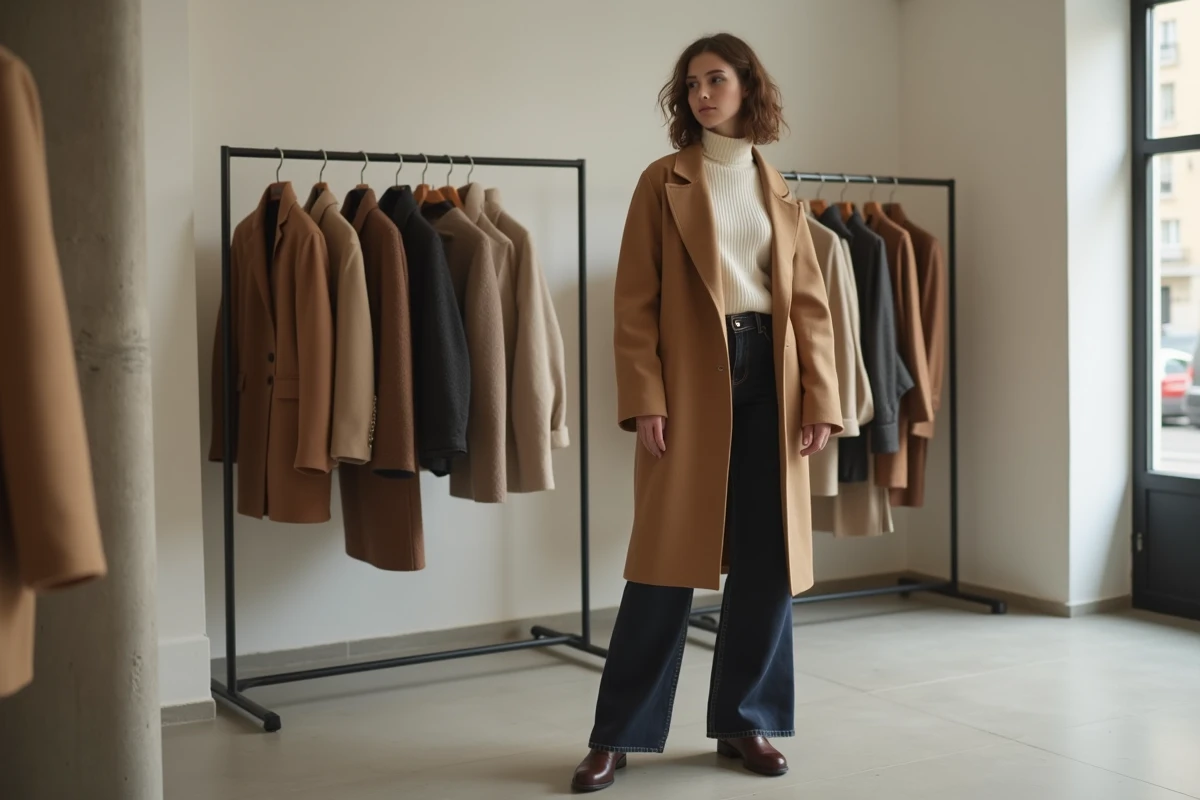
Each new season brings its share of pieces and silhouettes that redefine wardrobes. The spring-summer 2026 fashion trends mark a clear shift: timeless and sustainable silhouettes take precedence over viral micro-trends, according to an analysis by Launchmetrics published in May 2026. Here’s how to leverage these movements to enhance your style, regardless of your body shape.
Adapting SS 2026 Trends to Your Body Shape: Petite and Plus Sizes
You may have noticed that the same flowing dress can elongate a silhouette or, conversely, shorten it? The problem rarely lies with the piece itself, but rather with its proportions in relation to your height.
For petite silhouettes (under 1.60 m), the classic pitfall is the wide, unstructured high-waisted pants. Without a point of reference at the waist, the volume drowns the silhouette. The solution: opt for a defined high waist and a cut that flares from the knee. This adjustment creates a vertical line that visually elongates the body.
For taller sizes (over 1.75 m), the imbalance often comes from wearing a crop top with low-rise pants. The space between the top and bottom divides the silhouette in two. It’s better to choose a crop top paired with a high-waisted midi skirt, which shortens the visual distance between the bust and hips.
For everything you need to know about Boulevard Mode and to delve deeper into these style questions, their guides detail cut associations by body type.
- Petite sizes: focus on knee-length skirts and tone-on-tone shoes with the bottom to gain verticality.
- Tall sizes: long flowing dresses and structured shoulder volumes naturally rebalance proportions.
- All body types: the belt remains the most underestimated accessory to visually adjust the bust/legs ratio.
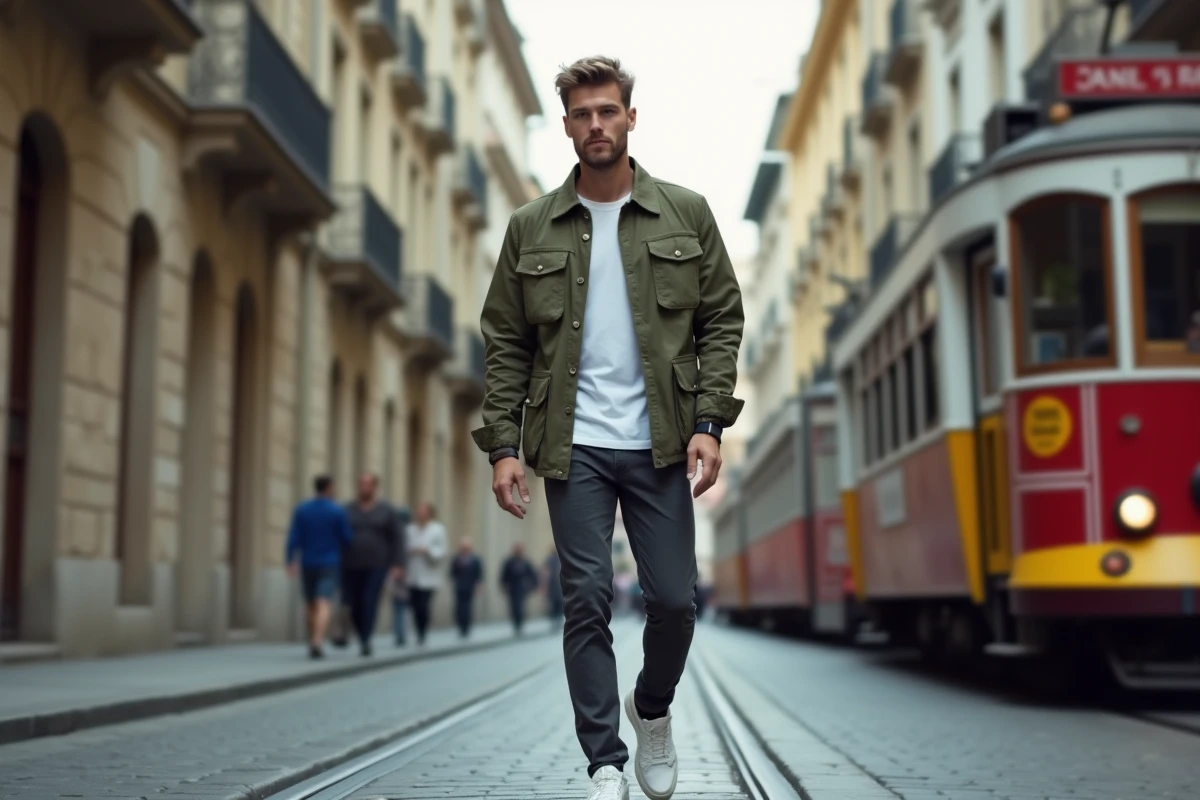
Sustainable Colors and Materials: What the SS 2026 Runways Are Really Changing
The “State of Fashion 2026” report by McKinsey & Company, published in January 2026, documents an increased adoption of recycled fabrics certified by luxury houses. This movement meets the expectations of millennial consumers, but it also has a direct impact on the available color palette.
Dyes on recycled fibers produce slightly less saturated shades than on virgin cotton. The result: the season’s colors tend toward powdery tones, butter yellows, and faded blues. These soft hues lend themselves well to monochrome looks, a strong trend this season.
Monochrome as a Daily Style Tool
A monochrome look simplifies clothing choices while creating a sophisticated effect. The principle is simple: assemble pieces in the same color family, playing with textures. A beige linen pant with a light recycled knit sweater in the same tone, for example, creates depth without complexity.
Why does this choice work so well this season? Because recycled materials often have slight shade variations from batch to batch. Wearing several close shades of the same color transforms this technical constraint into an aesthetic asset.
Timeless Spring-Summer 2026 Silhouettes: Pieces That Replace Micro-Trends
The “Field Insights Fashion 2026” study by WGSN, dated April 2026, highlights a growing preference for local adaptations of global trends. Independent stylists are incorporating artisanal elements, such as embroidery or traditional weavings, into contemporary cuts.
This hybrid approach gives rise to pieces that last several seasons. The long flowing dress, for example, becomes a canvas for artisanal details rather than just a basic piece.
Three Pieces to Consider This Season
The structured midi skirt is the most versatile piece of spring-summer 2026. It works well with both sneakers and sandals, and its length suits most body shapes.
The wide linen or recycled fabric pants are gradually replacing slim jeans in wardrobes. Its cut allows for volume play without sacrificing comfort. For petite sizes, choose it with a clean hem (no cuffs) to avoid breaking the line.
The chic bermuda is back with adjusted proportions, just above the knee. Paired with a light blazer, it creates a structured look suitable for warm days. Tall sizes can wear it with flat shoes without fearing a disproportionate effect.
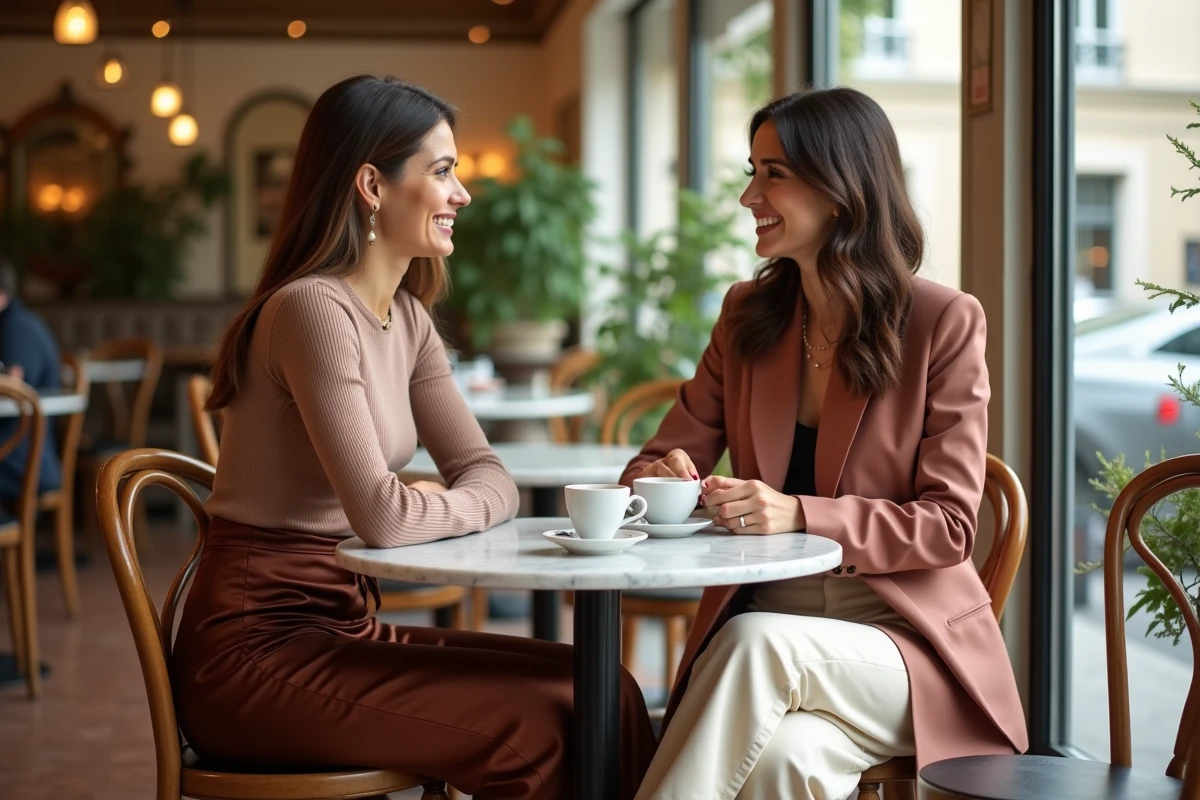
Accessories and Fashion Details: What Makes the Difference in 2026
Accessories no longer just accompany an outfit. They define the style of the entire silhouette. This season, two categories stand out.
Brooches and expressive jewelry, worn in measured layers, add character to a simple monochrome look. A recycled metal brooch on a solid blazer is enough to personalize an entire outfit.
Wide belts positioned at the high waist restructure any silhouette, whether you measure 1.55 m or 1.80 m. On a flowing dress, they create a visual reference point that prevents the fabric from “floating” aimlessly.
The Total Denim Look: How to Balance It
Wearing denim from head to toe remains a strong trend. The key to avoiding a uniform effect: vary the washes. A raw denim jacket with faded jeans creates a subtle contrast. Petite sizes will benefit from choosing a short jacket that stops at the waist, while taller individuals can opt for a longer denim overshirt.
Spring-summer 2026 fashion rewards thoughtful choices rather than the accumulation of trendy pieces. Adapting each cut to your proportions, focusing on sustainable materials, and structuring your looks with targeted accessories: this is what distinguishes a personal style from mere trend following.