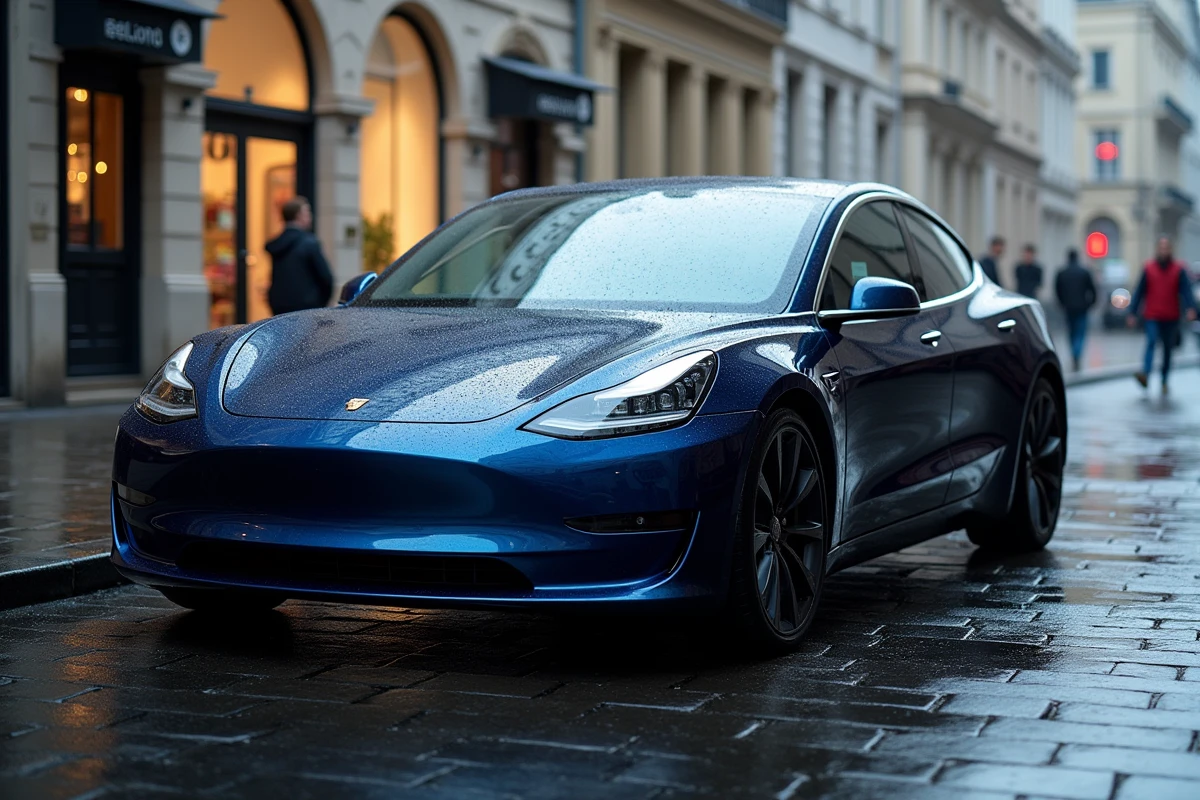
The cars sold in 2026 contain more lines of code than a commercial airplane. This shift towards software-defined vehicles is changing the way we buy, insure, and maintain a vehicle. With persistent delivery delays, the rise of Chinese manufacturers, and new cyber threats driving up insurance premiums, the automotive landscape is evolving rapidly. Here are the trends that really matter this year.
Car Insurance and Cyber Risk: Why Premiums Are Rising for Connected Vehicles
Have you noticed that your car insurance is increasing even though you haven’t had any claims? Part of the explanation lies under the hood, in the software.
So-called SDVs (Software-Defined Vehicles) receive remote updates, constantly communicate with servers, and are equipped with dozens of sensors. This constant connectivity creates an attack surface for hackers. Unauthorized access to the braking system, power steering, or the driver’s personal data represents a risk that insurers can no longer ignore.
In practical terms, insurers are incorporating cyber risk into the premium calculations for the most connected models. Premium brands like Mercedes or BMW, whose vehicles offer software-driven features (semi-autonomous driving, remote parking), are the first to be affected. To keep up with the latest developments on this topic and others, ComplexInfo’s auto page gathers regularly updated analyses.
The additional cost does not appear on a “cyber” line in your contract. It gets diluted into the damage or comprehensive coverage. Pricing grids increasingly differentiate models based on their level of connectivity, not just their power or new value.

What This Means for Buyers
Before signing for a model packed with electronics, it becomes relevant to request an insurance quote. A high-end electric SUV may cost significantly more to insure than a comparable thermal model, partly due to this software component.
- Check if your insurer offers specific coverage for incidents related to vehicle hacking.
- Compare rates between models in the same segment: the premium gap often reflects the level of embedded connectivity.
- Inquire about the manufacturer’s update policy, as a vehicle that no longer receives security patches becomes a heightened risk.
Semi-Conductor Shortages: Persistent Delivery Delays in 2026
The chip crisis is not over. According to the ACEA’s quarterly report published in April 2026, delivery delays for electric vehicles in Europe remain significant, with a particularly pronounced impact on premium brands.
Why is this problem lasting so long? A modern electric vehicle uses far more semiconductors than a thermal model. Every function, from battery management to the infotainment system, relies on specific chips. When supply chains get stuck, the entire production line slows down.
The Most Affected Manufacturers
Brands that offer highly customized configurations (Mercedes, BMW, Tesla) are experiencing longer delays. A customer ordering a model with advanced technological options may wait several additional months compared to a base version.
Stellantis has reorganized its production lines to prioritize high-margin models and limit the financial impact of these delays. This strategy helps maintain profitability but reduces the available choices for buyers of entry-level models.

Chinese Manufacturers in the European Market: What Is Changing
Chinese brands are no longer just exporting low-cost vehicles. The 2026 edition of Auto China showcased models that directly compete with European benchmarks in terms of finish, embedded technology, and electric range.
BYD, for example, offers plug-in hybrids whose price-electric range ratio puts pressure on models like the Peugeot 2008. The competition is no longer solely about price, but about embedded technology.
Distribution Network and After-Sales Service
The real challenge for these manufacturers remains the network. A vehicle may look excellent on paper, but if the owner has to travel hundreds of kilometers to find an authorized workshop, the experience deteriorates quickly.
Several Chinese brands are investing in partnerships with existing networks in Europe to accelerate their establishment. The quality of after-sales service will be the decisive factor in transforming one-time sales into sustainable market shares.
Used Car Market: Key Considerations in 2026
The used car market is now absorbing a wave of electric vehicles from the early years of long-term rentals. These models come with varying mileages and batteries whose health status differs significantly from one unit to another.
The condition of the battery is becoming the number one criterion for a good deal in the electric used car market. A vehicle listed at an attractive price but whose battery has lost a significant part of its capacity can be very costly to restore.
Before buying, always request a battery diagnostic (often referred to as “State of Health” or SoH). Some manufacturers like Tesla or Renault provide access to this data via their app. For other brands, a visit to a specialized workshop is necessary.
Used Thermal Vehicles: A Stabilizing Value
Recent thermal models are no longer losing value as quickly as they did in 2024-2025. Uncertainty about future traffic restrictions and the postponement of Euro 7 standards have slowed depreciation. A well-maintained recent diesel retains its value better than it did two years ago, especially in rural areas where electric alternatives remain impractical.
The automotive sector is undergoing a period of rapid restructuring. Purchasing, insurance, and maintenance choices are increasingly dependent on software and regulatory parameters, not just mechanical ones. Keeping an eye on the evolution of standards, the reliability of manufacturer updates, and the insurance conditions for connected vehicles helps avoid costly surprises.