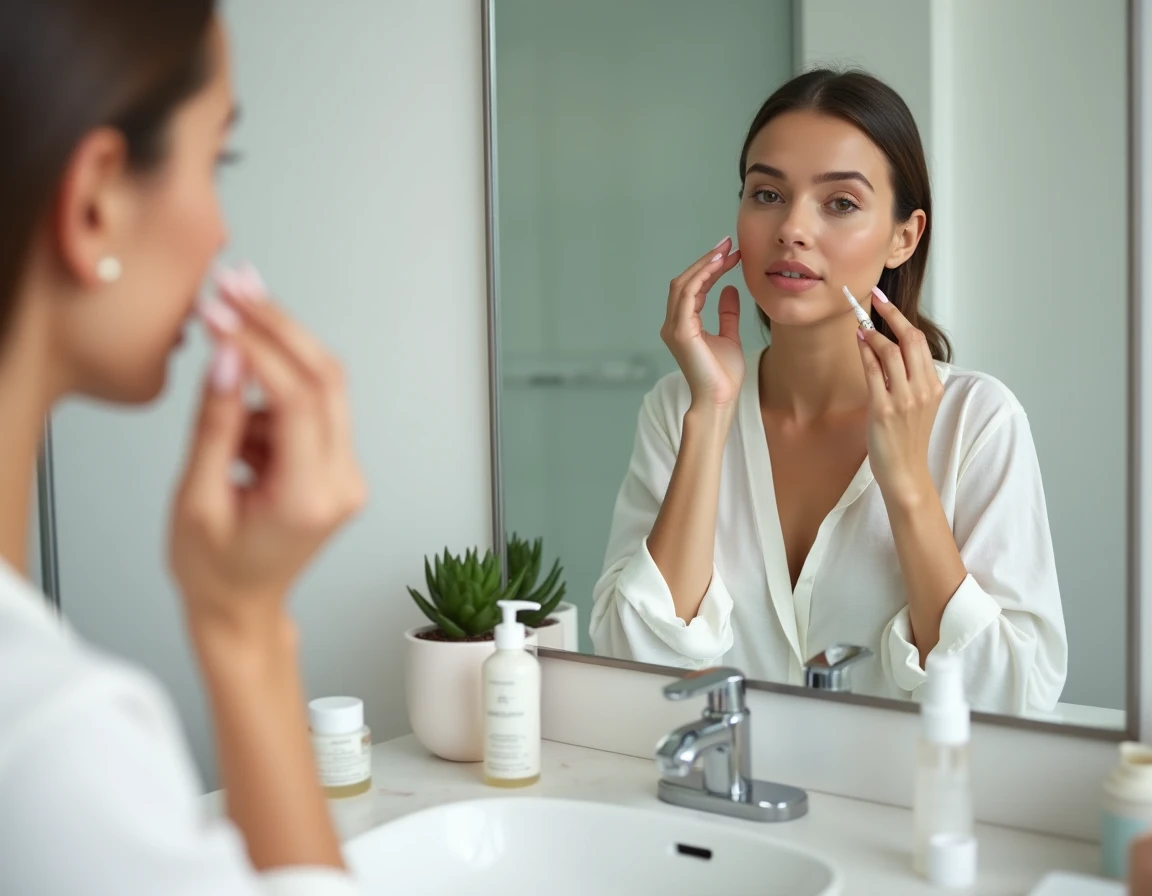
The beauty market in 2024 recorded movements that go beyond the simple seasonal renewal of ranges. Consumption habits are reorganizing around skin health, reduced routines, and a growing demand for non-surgical aesthetic procedures.
Body and Hair Care: The Shift Towards Medicalized Beauty
The most structuring fact of 2024 concerns not makeup, but care. Body and hair care products now represent the dominant share of the beauty and personal care market, far ahead of the makeup segment, whose advertising growth has declined during the same period.
On the hair care side, demand is shifting towards products targeting hair regrowth, scalp health, and dietary supplements (vitamins, oils). This trend, documented since 2024, has intensified in 2025. We are no longer talking about volumizing shampoos or hydrating masks: vocabulary borrowed from dermatology (microbiome, peptides, follicular density) has established itself on packaging and in online searches.
To follow the news on Beauté en Folie, this convergence between care and health is redefining consumer expectations, as they evaluate a hair product as they would a nutritional supplement.
Skinimalism and Short Routines
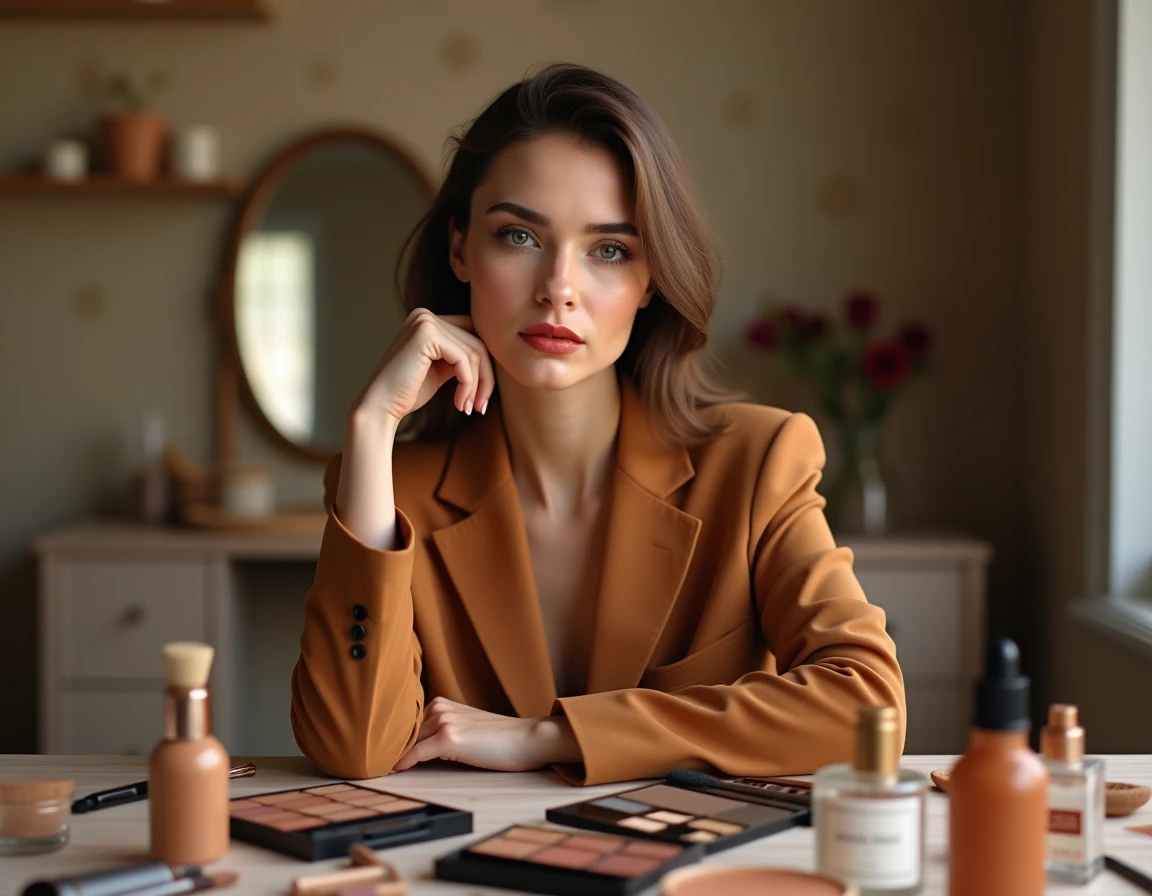
Skinimalism, a contraction of “skin” and “minimalism,” reflects a rejection of the ten-step routines popularized by K-beauty in previous years. Market data shows that consumers now prefer few references but with a high concentration of active ingredients.
Three criteria dominate purchasing choices in this logic:
- The multifunctionality of the product (a serum that serves as a hydrating base and a spot treatment, for example)
- The transparency of the INCI list, with a marked preference for short formulations and identified natural or organic ingredients
- The packaging format, which should allow for precise dosing and limit waste
This shift is not just a passing trend. It reflects a weariness with the excess of new products and an economic calculation: buying three effective products costs less than accumulating eight.
Non-Invasive Technologies: What Beauty Borrows from Aesthetic Medicine
Non-invasive aesthetic solutions (HIFU, radiofrequency, cryolipolysis, LED, microneedling) have seen a notable increase in demand among those over 35 in 2024-2025. Nearly 78% of this age group are seeking such options to improve appearance without resorting to surgery.
The phenomenon extends beyond the medical office. Home devices (LED, microcurrents) have found their way into home routines, blurring the line between cosmetics and aesthetic procedures. Skincare brands are incorporating these technologies into their marketing discourse, sometimes without the real effectiveness of consumer versions being demonstrated with the same rigor as for professional devices.
Exosomes: Promise or Premature?
Among the ingredients that made headlines in 2024, exosomes hold a special place. These extracellular vesicles, used in regenerative medicine, are beginning to appear in high-end cosmetic formulations. Field feedback varies on this point: while clinical studies in medical contexts show potential for tissue repair, their transposition into mainstream cosmetics remains to be documented independently.
Makeup in 2024: A Segment in Relative Decline but Not Stalled
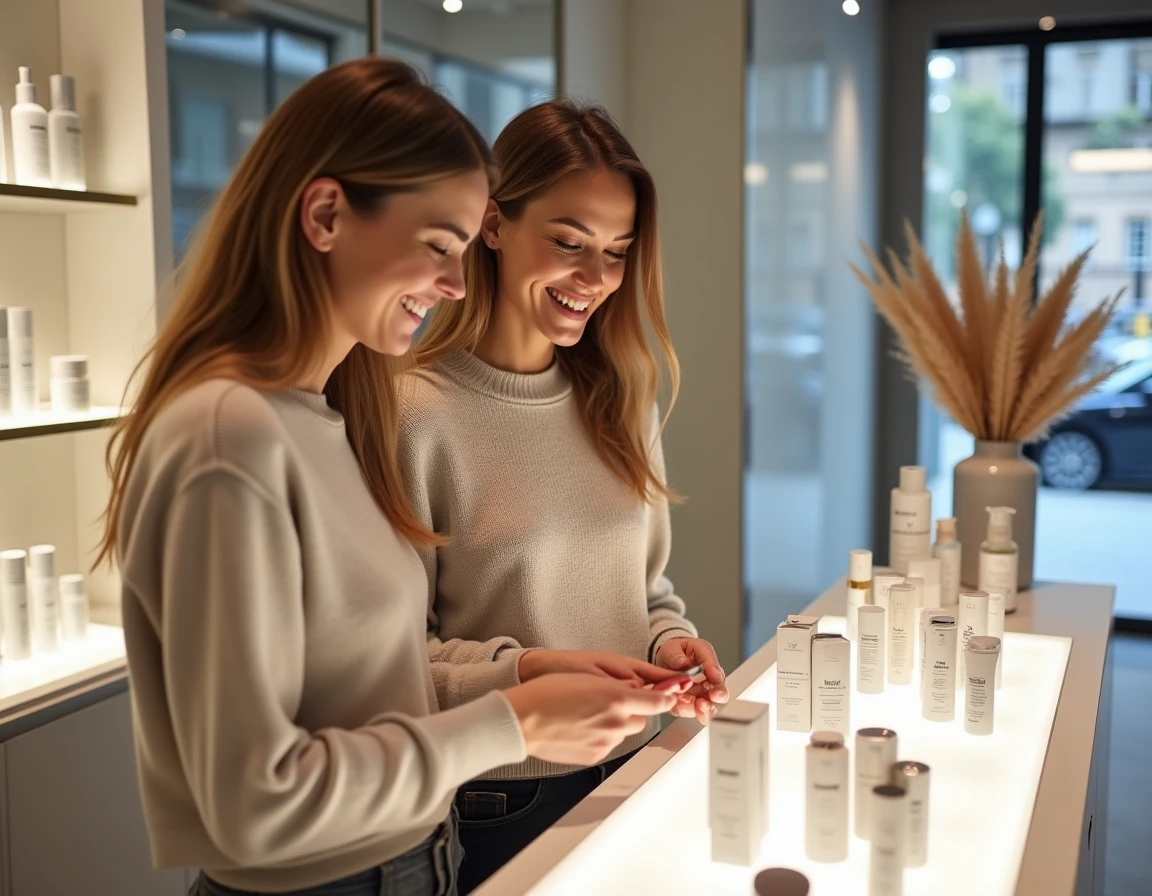
Makeup has not disappeared from the radar, but its advertising weight has decreased compared to skincare. This drop does not signify a lack of interest: it reflects a shift in budgets towards skincare and a reconfiguration of distribution channels.
In terms of product trends, lightweight textures and natural finishes have dominated. Blush, omnipresent on social media, has taken over from heavy contouring. Lips are worn in soft shades or Korean “lip tint,” far from the saturated matte reds of previous years.
- Serum foundations, which combine light coverage and skincare actives, illustrate the contamination of makeup by care
- Multi-use products (cheek-lip-eye sticks) are gaining ground in both accessible brand ranges and luxury
- “Clean” formulations (without silicones, without parabens) are becoming a prerequisite rather than a differentiating argument
Cosmetic Distribution and New Advertisers: A Fragmenting Market
Distribution channels continued their transformation in 2024. Digital-native brands or specialized retailers are capturing an increasing share of media visibility, facing off against historical luxury and mass distribution groups.
Social media plays a role as a direct commercial showcase. Brands are developing short formats (tutorials, filmed routines) that partially replace traditional television advertising.
The beauty market in 2024 is not just a list of flagship products. It is characterized by a sustainable shift from care to health, technology making its way into bathrooms, and makeup that is willing to take a back seat. Consumer choices, between proven effectiveness and marketing promises, remain the true driving force behind these realignments.