Ryobi has an average rating of 4.4 out of 5 based on over 2,000 verified reviews collected on the Avis-Vérifiés platform. This score places the Japanese brand at the top of the consumer power tools market.
An overall rating doesn’t tell the whole story: the reliability of a tool is also measured by the longevity of its motors, the availability of spare parts, and the consistency of the battery ecosystem. This article examines precisely that, with supporting data.
Ryobi against its direct competitors: positioning and perception
Recent comparisons place Ryobi in a specific segment: that of the regular DIYer, neither a complete beginner nor a professional. The brands most often compared are Worx, Einhell, and Greenworks, each with different strengths.
| Criterion | Ryobi ONE+ | Worx PowerShare | Einhell Power X-Change |
|---|---|---|---|
| Battery ecosystem | Over 300 compatible tools | Narrower range | Wide range, aggressive pricing |
| Brushless motors | Available on recent ranges | Present on mid/high models | Present on recent models |
| Spare parts (Europe) | Long delays, some references unavailable | Better availability reported | Variable by country |
| Main target | Regular DIYer, medium garden | Occasional to regular DIYer | Versatile entry-level |
This table highlights a point that appears in several user feedbacks: the size of the ONE+ ecosystem remains Ryobi’s strong argument. Buying a first battery gives access to a catalog of tools unmatched in this price range.
To delve deeper into these elements, a detailed file offers a review on the reliability of the Ryobi brand with field feedback on several product categories.

Ryobi brushless motors: a real turning point in durability
The reliability of Ryobi is not a homogeneous block. It varies greatly depending on the generation of the motor used. Recent field tests converge on a clear finding: Ryobi brushless motors far outperform older brushed models in terms of robustness and endurance.
A brushed motor uses carbon brushes that wear out mechanically over time. The brushless motor eliminates this wear part, which reduces heating and extends lifespan. Some comparisons no longer recommend anything but Ryobi’s brushless ranges for regular or slightly intensive use.
Identifying a brushless model in the Ryobi catalog
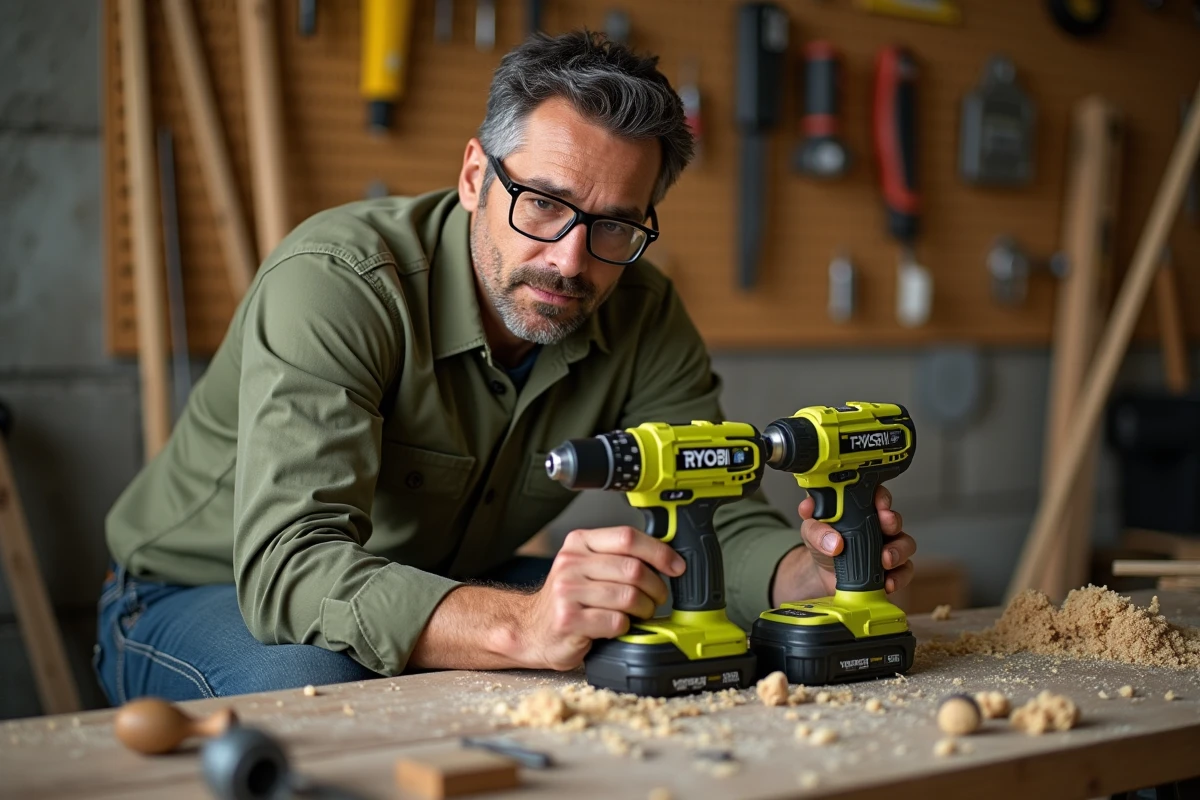
Ryobi doesn’t always make it easy to read. References that include “BL” or the mention “Brushless” on the packaging indicate these motors. On drills and drivers, the difference in torque and longevity between a brushed model and a brushless model of the same price is substantial.
- Brushless drills/drivers offer higher torque at equal battery power, with less heating during prolonged screwing.
- Brushless circular saws and jigsaws maintain their cutting speed longer under load, whereas a brushed motor loses speed.
- Garden tools (hedge trimmers, string trimmers) in brushless versions show significantly better autonomy per battery charge.
The most concrete advice for anyone looking to buy reliable Ryobi tools is to consistently aim for a brushless model, even if it means paying a bit more upfront.
ONE+ batteries and intensive use: where is the limit
The ONE+ ecosystem relies on interchangeable 18V batteries. This system is appealing because it avoids having to buy a battery for each tool. However, user feedback and tests on garden tools point to a limit: battery wear accelerates under heavy load, particularly on mowers and blowers used over large areas.
Ryobi is rated as a good choice for medium-sized gardens but is less competitive for large areas or intensive use. This distinction is not a manufacturing defect: it reflects the brand’s pricing positioning. A Ryobi ONE+ battery is not designed to compete with professional packs from Makita or Milwaukee, which cost double or triple.
Managing the longevity of Ryobi batteries
Two habits can extend the lifespan of a Ryobi lithium-ion battery:
- Do not store the battery completely discharged or fully charged; an intermediate level reduces the chemical stress on the cells.
- Avoid forcing a tool that jams, which causes harmful discharge spikes for the battery.
- Opt for higher capacity batteries for power-hungry tools (mower, blower) to limit frequent recharge cycles.
Ryobi spare parts in Europe: a documented friction point
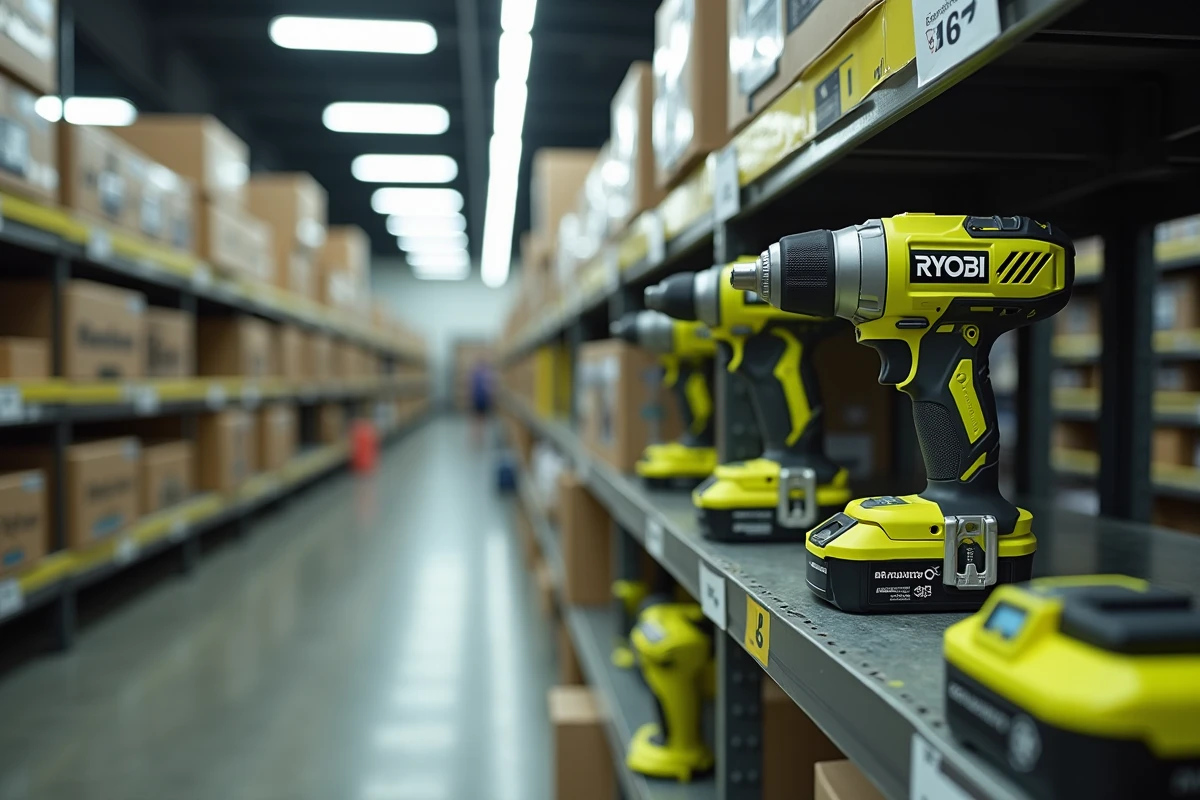
For several years, independent repairers and customer service have reported a growing difficulty in obtaining Ryobi spare parts in Europe. Electronic boards, replacement motors, housings: some references are unavailable or subject to what are considered unreasonably long delays.
This finding is at odds with Ryobi’s communication about the durability of its ONE+ ecosystem. A tool that cannot have a faulty part replaced ends up in the landfill, regardless of the quality of its motor. Recent comparisons directly pit Ryobi against Worx on this criterion, with an advantage for Worx in terms of parts availability.
For a buyer, this means that the manufacturer’s warranty remains the main safety net. Checking the duration and conditions of the warranty before purchase is not a detail, especially for garden tools subjected to strong mechanical stresses.
Thus, Ryobi’s reliability is not a binary answer. Brushless motors and the ONE+ ecosystem are real assets for the regular DIYer. The fragility lies elsewhere: in the availability of spare parts and in the accelerated wear of batteries under heavy use. Choosing a brushless model, properly sizing batteries, and anticipating customer service issues are the three parameters that determine whether a Ryobi tool will last five years or two.