Ill-fitting equipment can hinder progress and even increase the risk of injury, even for experienced athletes. Yet, some high-end accessories provide no tangible benefits to the majority of practitioners. The lifespan of equipment depends as much on the frequency of use as on the attention given to its maintenance, a reality often overlooked at the time of purchase. The differences in comfort and performance, sometimes minimal on paper, become significant in practice.
Why the right equipment truly makes a difference in sports practice
A sports equipment choice made with discernment is not just a simple gadget. On the field, the right fabric, a suitable pair of shoes, or even a connected accessory perfectly aligned with your movement, each element has a direct impact on your health and results. Performance, recovery, and safety often hinge on details: garment fit, support, shock absorption. It is no coincidence that the World Health Organization emphasizes the prevention of injuries related to inappropriate equipment.
Cutting-edge technologies have propelled the sector forward: breathable fabrics, composite materials, soles developed for precise strides, or watches capable of analyzing every fraction of a second of your activity. Once reserved for an elite, these innovations are now part of the training for everyone, whether for leisure or performance. The choice is no longer made “by feel”; it is about understanding your practice, your morphology, and your goals.
For those looking to equip themselves wisely, Sportivoz’s equipment offer provides a varied selection, suitable for both running and fitness sessions, focusing on quality and innovation. This allows for material comparisons, taking the time to try things out, and directing purchases towards what truly adds lasting value. Well-equipped, the athlete operates under better conditions, enjoys every training session, and pushes their limits without taking unnecessary risks.
What criteria to consider when choosing equipment suited to your needs and sport
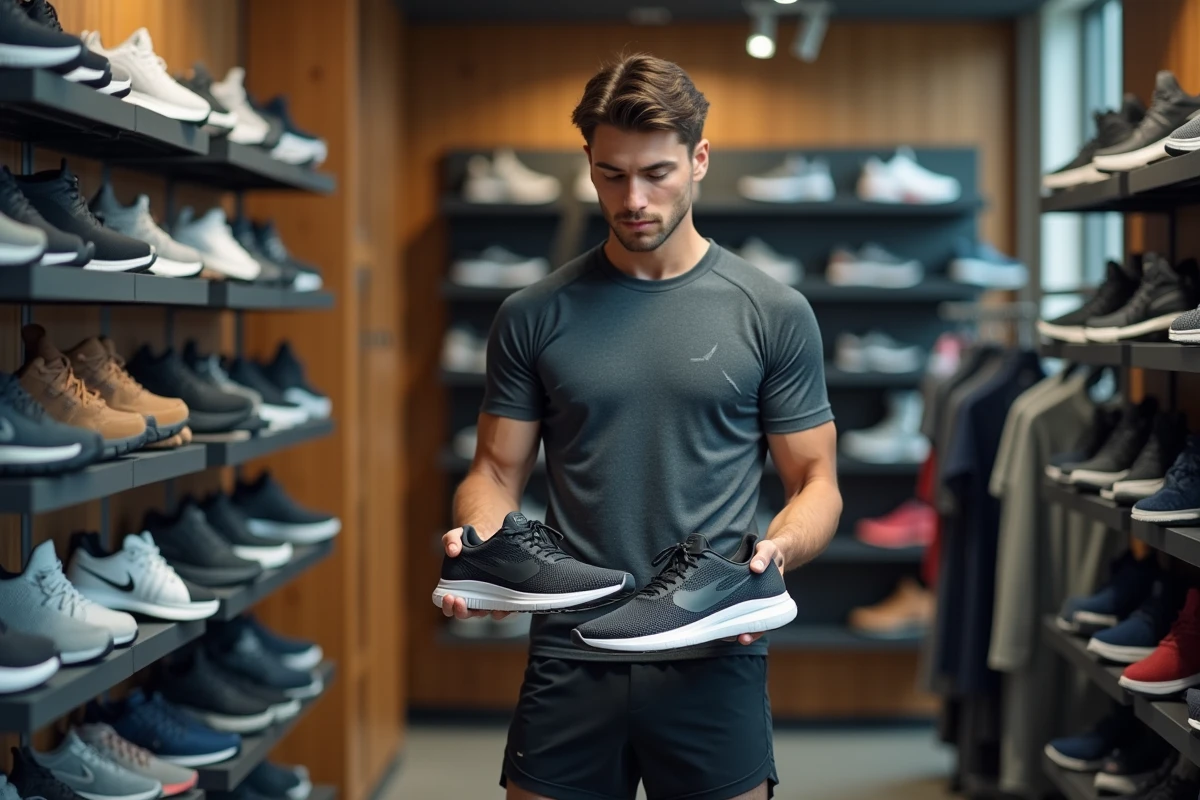
Before making a choice, it is essential to take a step back and assess your practice: actual level, training frequency, conditions under which the equipment will be used… Whether you are a casual runner or a weightlifting enthusiast, your needs will differ. Shoes absorb shock waves for running, while cycling requires rigid and grippy shoes. Above all, each discipline has its own requirements.
To distinguish well-thought-out equipment from an impulsive purchase, certain criteria are telling:
- Safety: check for the presence of a CE certification and compliance with standards to limit risks.
- Durability: prefer solid items that can keep up with your pace and fit your body perfectly.
- Value for money: do not settle for an attractive price, but consider the warranty, longevity, and reliable after-sales service.
- Scalability: choose modular or multifunctional equipment, such as an adjustable weight bench or a customizable elliptical bike, to support your progress and avoid repeated purchases.
Some athletes turn to second-hand equipment or outlets to optimize their budget while equipping themselves seriously. For weight training, opting for adjustable weights or progressive dumbbells reduces the risk of injury and encourages consistent progress. The key? Your equipment should evolve with you. When well-chosen, it will never be seen as a constraint or a source of frustration, but as a lever for progress.
Small gestures and good habits to maintain your equipment and boost your performance
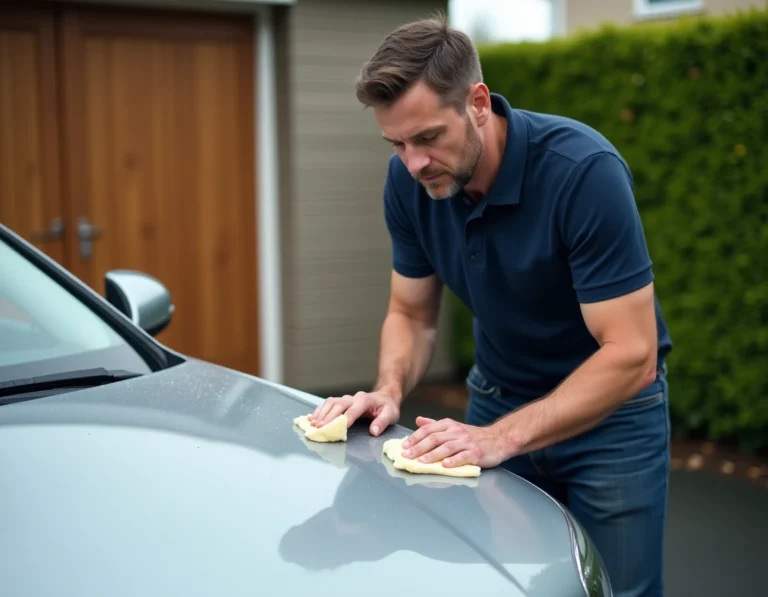
Adopting maintenance routines extends the lifespan of each piece of your sports equipment. For technical textiles, a gentle wash without fabric softener preserves breathability and delays wear. Only air dry; radiators or tumble dryers do not favor innovative fibers.
After each session, take the time to clean your sports shoes: shake them out, remove the insoles, brush off the mud with a soft brush, and then let them air dry. For weightlifting enthusiasts, a simple wipe with a damp cloth on benches, bars, and dumbbells prevents sweat buildup, the primary source of corrosion.
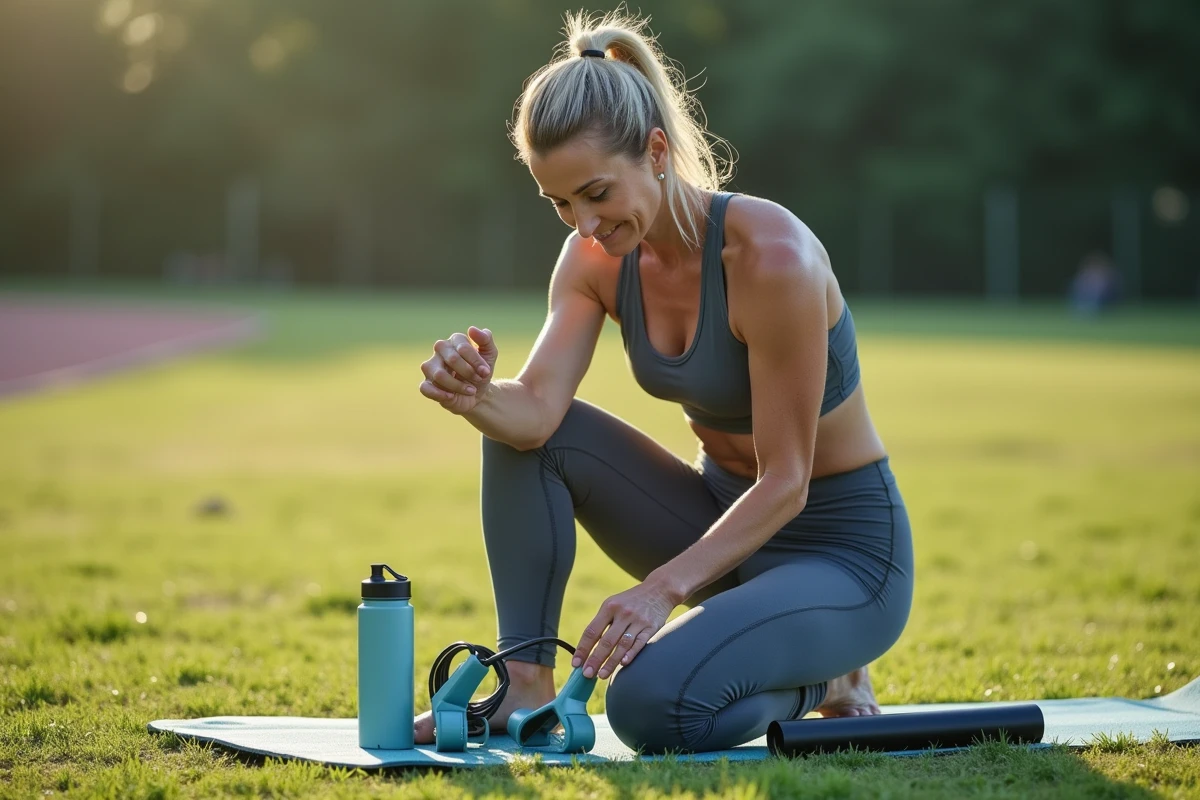
Muscle strengthening accessories deserve regular attention. Each month, check the condition of foams, fasteners, straps, and safety features. A wobbly bench or a cracked foam? These are signals to address; otherwise, progress will be halted… or worse, injury looms. Store all your equipment in a dry, ventilated place, away from dust and humidity: this precaution often suffices to double its lifespan.
Want to approach equipment differently? Some transform a worn-out sports vest into a cleaning cloth, adapt a marker into an agility accessory, or even reuse technical textiles as wiping fabric. These upcycling or DIY initiatives are increasingly appealing, especially when clubs set an example with recycled textiles or bio-sourced materials, combining performance with responsible waste management.
Last tip: the maintenance log. Recording checks, repairs, and purchases helps avoid being caught off guard when equipment shows its limits. The result is a head start on wear, increased efficiency, and the luxury of approaching each new session without second thoughts.