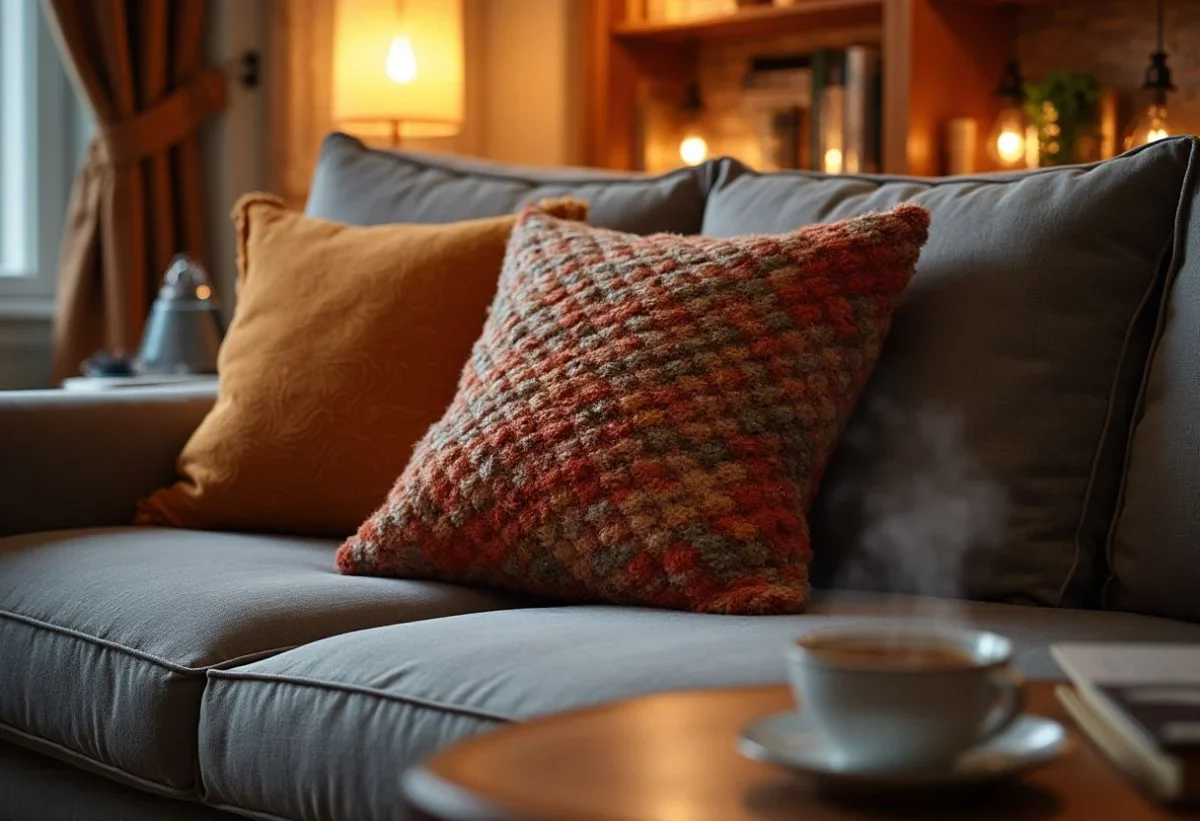
A familiar and omnipresent object, the cushion is often relegated to the status of a mundane household accessory. Yet, it conceals a rich history and varied uses that transcend simple notions of comfort and decoration. A symbol of rest and refinement, it has traversed the ages, constantly adapting to the evolution of styles and lifestyles. From ancient Egypt to contemporary living rooms, the cushion has managed to reinvent itself, becoming an essential element in modern living. Who would have thought that these soft, often colorful and textured objects could hold so many meanings and uses?
An ancestral history
The origins of the cushion date back to the dawn of time. The first examples were already used in ancient Egypt, where they embodied a symbol of social status. Made from precious materials such as leather and linen, they were often embroidered with intricate patterns. Egyptian rulers used them to enhance their dignity, adding a touch of luxury to their surroundings. Subsequently, the cushion has crossed eras, finding its place in Roman and medieval civilizations. During the Renaissance, it became an essential accessory in aristocratic homes, where refinement reigned. Each era has left its mark on the shape, texture, and use of cushions, reflecting a perpetual and fascinating evolution.
The art of comfort in our interiors
The cushion today stands as an indispensable ally of domestic comfort. It plays a key role in the arrangement of living spaces, bringing softness and warmth. Sofas, armchairs, and beds are illuminated by the presence of these cozy accessories. The choice of cushion is not trivial and can transform the ambiance of a room in the blink of an eye.
- Natural materials like cotton or linen invite relaxation.
- Bright colors and bold patterns brighten and personalize spaces.
- Various shapes offer a range of creative possibilities to energize decoration.
The art of arranging cushions is a true science of well-being, where the harmony of shapes and colors plays a predominant role.
The therapeutic cushion: benefits and uses
More than just a decorative accessory, the cushion also has proven therapeutic utility. In the world of wellness and health, it is used to relieve various ailments and improve postural comfort.
- Lumbar cushion: it effectively supports the lower back, thus preventing pain related to long periods of sitting.
- Maternity cushion: designed to support pregnant women, it offers valuable support during pregnancy.
- Ergonomic cushion: it conforms to the contours of the body, promoting a natural position and reducing muscle tension.
These specialized variants demonstrate that the cushion can be a valuable ally for health and well-being, far beyond its decorative role.
Innovation in the service of design
Modern design reinvents the cushion to make it a true work of art. Contemporary creators explore the endless possibilities offered by new technologies and innovative materials. Connected cushions, for example, integrate technological features for enhanced comfort.
Designers play with textures, using unprecedented fabrics such as merino wool or recycled velvet. They also dare to use bold geometric shapes that captivate the eye. Collaborations with renowned artists and fashion designers give rise to exclusive collections, where each cushion tells a unique story. These pieces, beyond their functionality, become central elements of decoration, capable of transforming an interior into a living work of art.