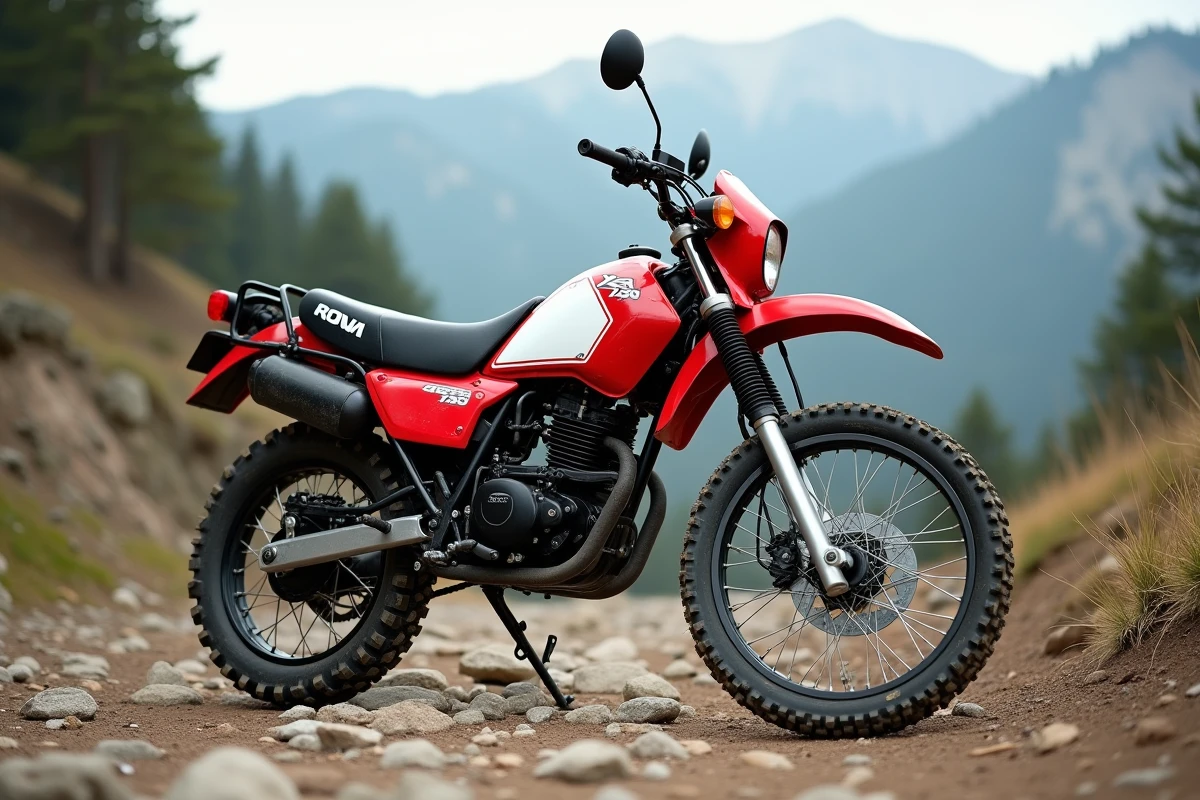
The Honda XR 600 R remains, more than thirty years after its release, a name that consistently comes up in discussions about off-road trails. Produced between 1985 and 2000, this air-cooled single-cylinder bike built its reputation on the Baja tracks and in African rally-raids. In comparison, models like the Yamaha Ténéré, the Suzuki DR 650, or the Africa Twin have each carved their own niche.
Choosing between these machines requires moving beyond nostalgia to examine what each offers concretely in 2025.
Emission Control and Road Homologation: The Regulatory Constraint That Changes the Game
One aspect rarely addressed in classic comparisons concerns regulation. Since January 2026, used XR 600 R models imported from the United States must undergo a supplementary emission control for road homologation in France. This requirement related to Euro 5+ standards directly impacts the entry cost for buyers aiming for mixed use.
For models already registered in Europe, the situation remains simpler. Dual-sport conversion kits (headlights, turn signals, catalytic converters) have gained popularity since 2024, facilitating legalization for long-distance trail use. A comparison of the Honda 600 XR allows us to measure how this constraint weighs against competitors sold new and already homologated.
In contrast, a recent Yamaha Ténéré 700 or Africa Twin leaves the dealership with all documents in order. The administrative cost of the imported XR 600 R, added to the price of bringing it into compliance, can reduce the initial price gap that constitutes its main selling point.
Maintenance Costs XR 600 R vs Africa Twin: Simple Mechanics Win Over Time
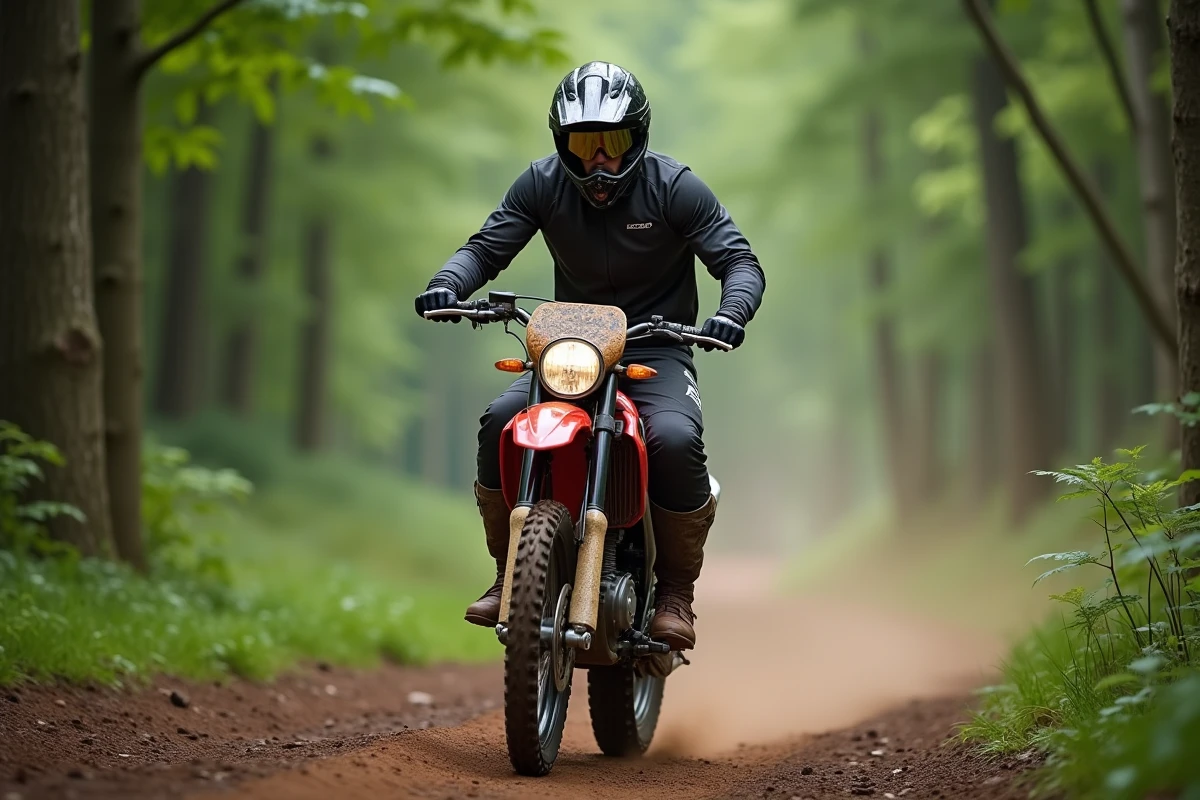
The XR 600 R relies on an air-cooled single-cylinder architecture, without a radiator, electronic injection, or a computer. This mechanical simplicity results in significantly lower maintenance costs than those of the Africa Twin, especially for mixed use with a focus on off-road.
Owners of XR 600 R models restored after 2024 report increased reliability thanks to modern aftermarket parts. Titanium chains and tensioners, for example, reduce breakdowns on models subjected to demanding mountain conditions. The availability of superior quality parts compared to the original extends the engine’s lifespan well beyond what Honda had anticipated.
What Simplicity Does Not Compensate For
The Africa Twin, with its parallel twin and onboard electronics, offers a road comfort that the XR cannot match. Field feedback diverges on this point: some riders believe that comfort on asphalt does not matter for a trail, while others cover thousands of kilometers of pavement to reach the trails. The usage profile determines everything.
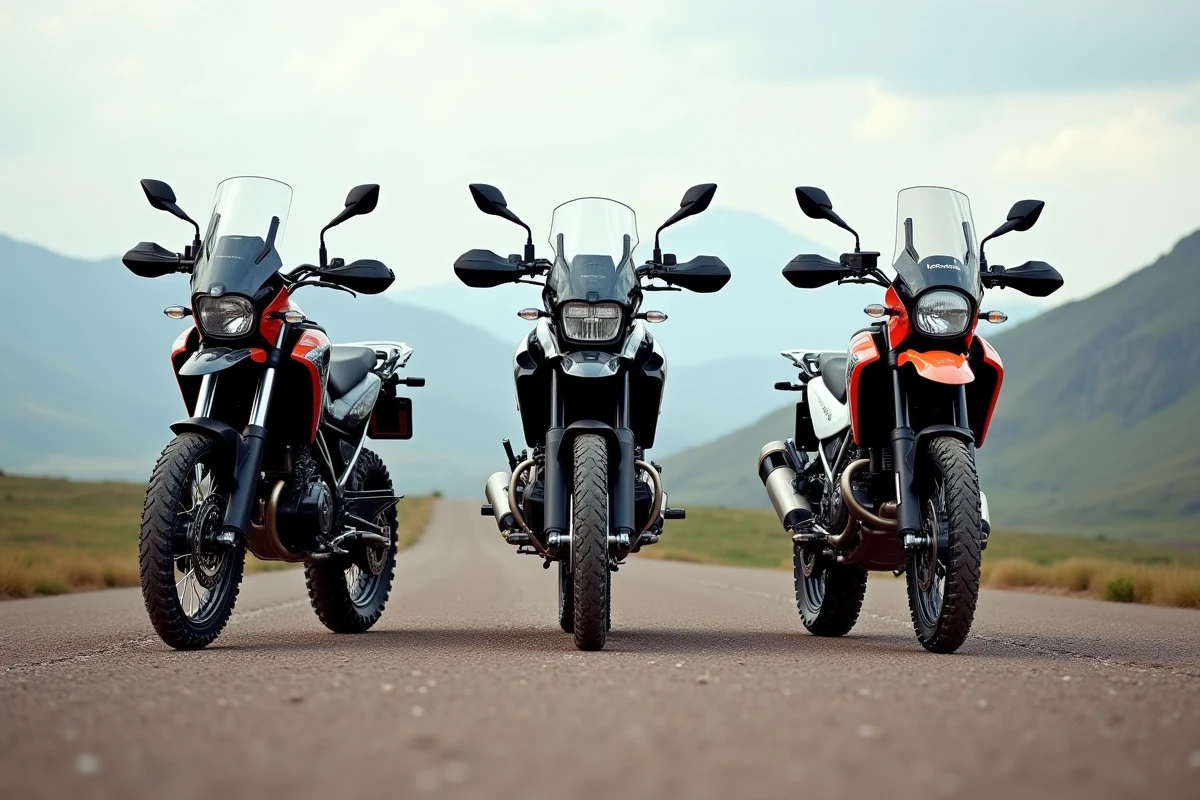
The Yamaha Ténéré 700, positioned between these two philosophies, offers a compact twin with reasonable maintenance. It does not reach the frugality level of the XR 600 R, but its maintenance remains accessible compared to that of a large modern trail loaded with electronics.
Power-to-Weight Ratio on the Trails: Where the Honda XR 600 R Maintains the Advantage
On a mountain single track or a rough trail, weight makes a difference. The XR 600 R, designed as an off-road competition machine, has a low weight for its displacement. It is in this area that the comparison with modern trails becomes most telling.
- The Africa Twin weighs significantly more, which is felt as soon as the terrain deteriorates. Lifting a motorcycle over 200 kg out of a rut requires real physical effort.
- The Ténéré 700 offers a compromise closer to the XR on this criterion, with an intermediate weight that makes it manageable off-road without sacrificing stability on the road.
- The Suzuki DR 650, another historical single-cylinder, competes directly with the XR in terms of lightness, but its engine delivers a less lively character at high revs.
The XR 600 R remains the lightest in this group and this is precisely what explains its longevity in the hearts of off-road-oriented riders. For predominantly trail use (70% off-road, 30% road), this advantage weighs heavily in the balance.
Reliability of Restorations and the Used Market: A Changing Context
The market for used XR 600 R models is going through a particular period. Models in good condition are becoming scarce, while complete restorations with modern aftermarket parts create a separate category: machines that combine the original chassis with components sometimes superior to Honda’s specifications of the time.
This trend towards increasing dual-sport conversions, documented since 2024 on specialized forums, transforms the XR 600 R into a kind of customizable platform rather than a motorcycle frozen in its era. Complete restoration kits, including reinforced distribution and homologated lighting, allow for the construction of a tailor-made trail.
The Trap of the Underestimated “Project”
Buying an XR 600 R to restore may seem economical at first. The risk lies in the accumulation of unforeseen expenses: weakened crankcase gaskets, original segments that are hard to find, carburetors requiring complete recalibration. A realistic budget for a serious restoration often exceeds the price of a recent used Ténéré 700.
The available data does not allow for a reliable average price conclusion, as the discrepancies vary according to the engine’s condition and geographic origin. A Californian model stored dry for twenty years is nothing like a European example that has been ridden in the rain.
The choice between the XR 600 R and a modern trail is not just a matter of specifications. It involves a vision of motorcycle practice: accepting to get hands-on to ride a light and direct machine, or prioritizing a ready-to-ride motorcycle with a dealer network behind it. Both approaches are valid, as long as one knows which corresponds to their real-world situation.